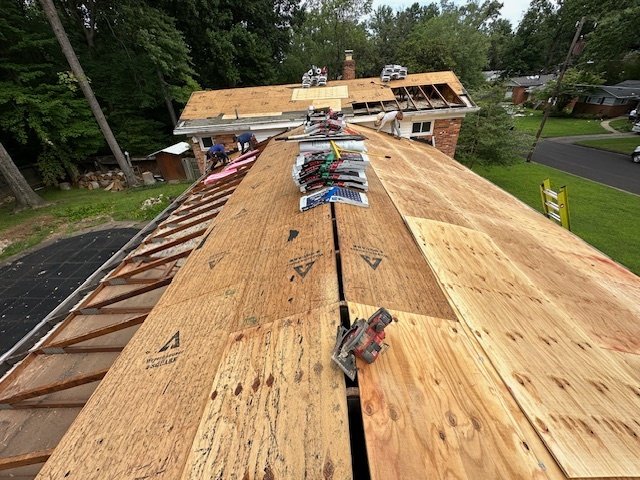
Zero-emission construction
We stopped waiting for the code to catch up.
Residential construction is one of the last trades to decarbonise. We committed to zero-emission jobsite practice ahead of the requirement — and it makes having us in your home measurably better.
Straight talk
What we mean by it, and what we don't claim.
“Zero-emission” is a term the construction industry uses loosely. Here is precisely what we mean by it, so you can hold us to something specific.
We mean our jobsite operations: the plant, tools and vehicles we run at your property, the waste we generate and where it ends up, and the materials we specify by default. That is the part genuinely within our control, and it is the part that affects you directly.
We do not claim a carbon-neutral building. The embodied carbon in concrete, steel and manufactured products is real and is not ours to eliminate — though we will tell you where lower-carbon alternatives exist and what they cost. Anyone advertising a genuinely zero-carbon house is selling something we would want to read the fine print on.
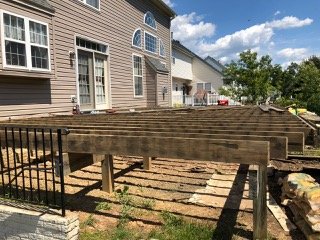 Battery-electric plant
 Waste separation
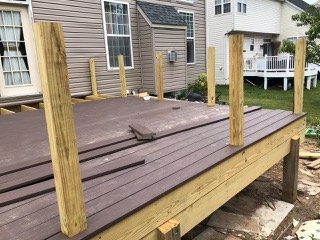 Low-VOC specification
The commitment
Four practices, on every project.
Not upgrades, not a premium tier. This is how we run every site, including a two-day roof repair.
-
01
Battery-electric plant and tools
Battery power stations and electric tools in place of petrol generators and compressors wherever the task allows. The direct effect on your household is immediate: no exhaust fumes drifting through open windows, and a site that is dramatically quieter — which matters if you work from home, have a baby napping, or simply have neighbours.
-
02
Waste separated and diverted
A single mixed skip is the industry default and it all goes to landfill. We separate on site — metals, clean timber, cardboard and asphalt shingle where a recycling stream exists locally — and divert what can be diverted. Where no stream exists for a material, we will tell you that plainly rather than imply otherwise.
-
03
Low-VOC materials as the default
Adhesives, sealants, caulks, paints and finishes are specified low-emission as standard rather than offered as an upgrade. This is the change your family actually notices — it is the difference between a newly finished room you can occupy immediately and one that has to be aired for a fortnight.
-
04
Efficient logistics
Consolidated deliveries, accurate take-offs to reduce over-ordering, and materials protected properly on site so they are not wasted. Less transport, less waste, and — usefully for you — less of your driveway occupied for less time.
Your benefit
Why this is better for you, not just the planet.
Sustainability arguments often ask the customer to accept a worse experience for a greater good. This one does not.
A quieter site
Battery plant is a fraction of the noise of a petrol generator running for eight hours outside your kitchen window. Your neighbours will notice too.
No exhaust in the house
Combustion equipment running near an open door or window puts exhaust into your home. Removing it removes the problem entirely.
Occupy the room sooner
Low-VOC finishes mean the new bathroom or bedroom is genuinely usable on handover rather than after two weeks of open windows.
Ahead of the regulation
Maryland's building requirements are tightening. Work built to a higher standard now is work you will not be revisiting to bring up to code later.
Going further
Options worth discussing on a bigger project.
On renovations and new builds there are decisions that outlast the jobsite practices entirely — because they change how the building performs for its whole life.
Sustainability
Ask us what it means for your project.
We will tell you specifically what changes on your job — and what it does and does not cost you.