Installation · Repair · Envelope
Siding is a rain-screen, not a raincoat.
What keeps water out of your walls is the barrier and flashing behind the boards. Anyone can hang siding. The value is in the layer nobody sees.
How walls actually work
Water gets behind siding. It is supposed to. It has to get back out.
Wind-driven rain will find its way behind any cladding. A wall that is designed properly assumes this and gives the water a drainage path back to daylight.
That path is the water-resistive barrier — housewrap or an equivalent — combined with correctly lapped flashing at every window head, sill, corner and penetration. Lapped in the right order, so gravity carries water outward at each transition. Get the lap order backwards and you have built a funnel that directs rain into the sheathing.
It is invisible once the siding is up, which is exactly why it is the corner most often cut. We photograph the barrier and flashing before covering it, and those photographs go to you.
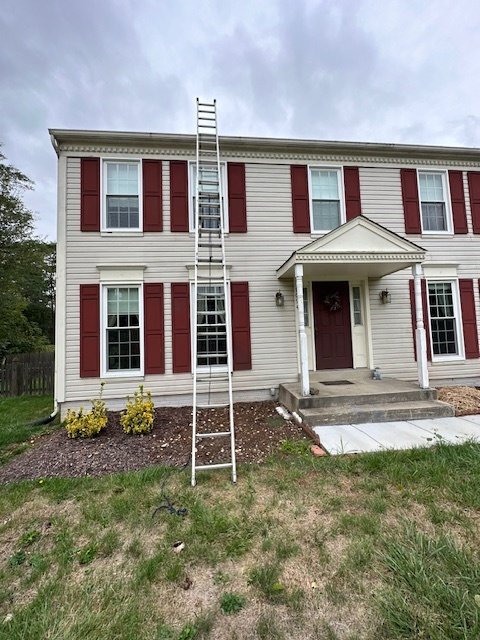 Fiber cement re-side
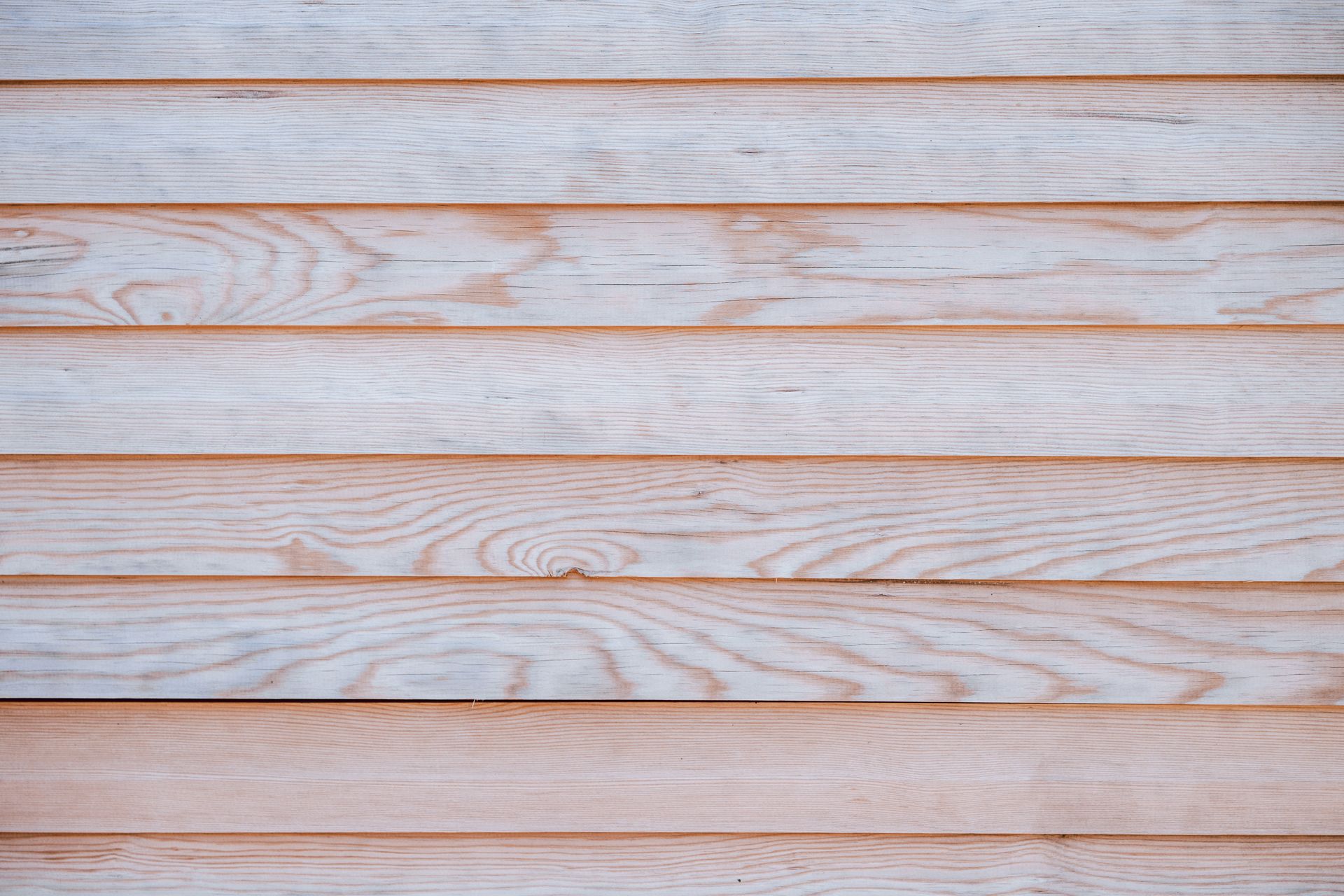 Housewrap & flashing
 Trim, soffit & fascia
Materials
What we install, and who each one suits.
All three are legitimate choices. The wrong one is only wrong for your particular house, exposure and time horizon.
Fiber cement
The premium default in this region. Dimensionally stable, non-combustible, holds paint exceptionally well and reads as real timber from the street.
- Life: 30–50 years
- Repaint roughly every 12–15 years
- Heavy — the install labour is the cost
Engineered wood
Lighter than fiber cement, warmer grain, and quicker to install. Requires disciplined detailing at cut ends and ground clearance, which we do as standard.
- Life: 25–40 years
- Comes pre-finished or site-painted
- Good value on larger elevations
Premium vinyl
Genuinely improved from the products that gave it a reputation. Insulated backing options, no repainting ever, and by some distance the lowest whole-life cost.
- Life: 20–40 years
- No painting, ever
- Colour is fixed at purchase
Signs you need it
What to look for before it becomes structural.
Siding rarely fails dramatically. It fails slowly, and the tell-tales are visible from the ground if you know what you are looking at.
-
01
Soft spots
Press firmly. Any give means moisture has reached the sheathing behind — this one is not cosmetic and should not wait.
-
02
Peeling interior paint
Paint lifting on the inside of an exterior wall usually means moisture is moving through the assembly, not that the painter was careless.
-
03
Gaps at trim & corners
Open joints at windows, corners and where siding meets the roof are direct entry points. Caulk buys a season; correct flashing fixes it.
-
04
Rising energy bills
Failing siding frequently means a compromised air barrier. The heating bill is often the first symptom anyone actually notices.
Siding questions
What people ask us.
Yes, and often we should. The honest caveat is colour: siding that has been on a south elevation for fifteen years has faded, and new boards will not match even in the same product code. On a rear elevation nobody minds. On the front of the house, it is worth discussing before we start.
If both are due within a couple of years, strongly consider it. One mobilisation, one set of access equipment, and — the real reason — the roof-to-wall flashing can be built as a single continuous detail rather than patched into whatever the previous trade left behind. That junction is a common leak point precisely because it is usually done by two contractors years apart.
Modestly, and mostly through air sealing rather than the boards themselves. The larger gain comes from adding continuous exterior insulation while the walls are open — a genuine improvement to the assembly, and a decision that can only sensibly be made during a re-side. Be sceptical of dramatic savings claims attached to cladding alone.
Typically one to three weeks for a single-family home, depending on size, material and how much sheathing repair we find once the old cladding is off. We work elevation by elevation and never leave the house open overnight — each face is dried-in the same day it is stripped.
Siding
Let's look at what's behind it.
Free consultation and an honest assessment of the envelope — including whether you need the whole thing or just a repair.